How to Renew Your Illinois Liquor License
Missing an Illinois liquor license renewal deadline or submitting incomplete paperwork can lead to costly delays, business operational disruptions, and compliance issues that may affect other licenses and permits. For establishments that operate video gaming terminals, maintaining an active state liquor license is especially important, as liquor licensing and gaming compliance go hand in hand.
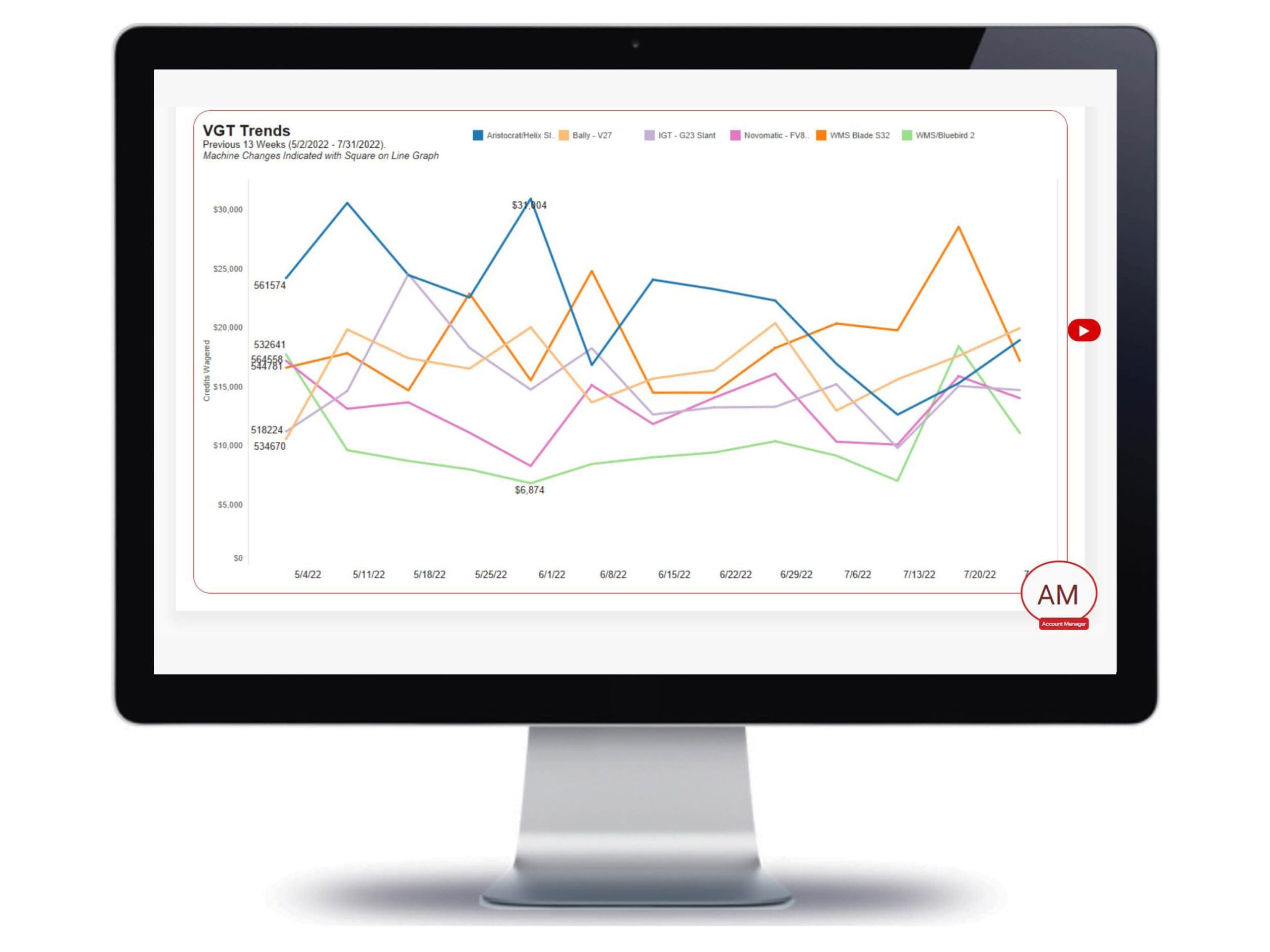
As a trusted terminal operator serving businesses throughout Illinois, J&J Gaming understands how licensing requirements can impact day-to-day operations and long-term business success. Because your licenses are so important in staying compliant, J&J Gaming has created a compliance dashboard for easy licensure monitoring and updating in J&J Connect®.
Connect with a J&J Gaming Specialist today
What Is an Illinois State Liquor License and Why Renewal Matters
An Illinois state liquor license authorizes eligible businesses to manufacture, distribute, sell, or serve alcoholic beverages within the state. Depending on the type of business, licenses may be issued to retailers, distributors, manufacturers, and other entities involved in the alcohol industry.
Businesses that currently hold an Illinois liquor license must renew their licenses annually to remain compliant with state regulations. For gaming establishments, maintaining an active liquor license is critical to continued operations. An expired license can create licensing complications, disrupt business activities, and affect compliance obligations related to video gaming. Your J&J Account Manager is here to ensure your license never expires. Get insight into your license status and renewal dates in the J&J Connect® customer portal.
Types of Illinois Liquor Licenses Subject to Renewal
Several license categories require regular renewal, including retail liquor licenses, manufacturer licenses, distributor licenses, importing distributor licenses, and, where applicable, special event licenses.
Gaming establishments, bars, taverns, restaurants, and similar businesses typically operate under retail liquor licenses. Businesses operating video gaming terminals should also ensure their state liquor licensing status remains current, as alcohol licensing requirements intersect with gaming compliance obligations.

Questions?
Our team will help you get slot machines for your bar or restaurant.
Illinois Liquor License Renewal Requirements and Eligibility
Before beginning the renewal process, businesses should confirm they remain eligible to hold their liquor license in Illinois. Renewal applications generally require businesses to verify that ownership information, operating details, and regulatory compliance records remain accurate and up to date.
Required Documentation Checklist
Carefully reviewing renewal instructions and gathering all required documents before submission can help prevent delays, especially if ownership, management, or business operations have changed since the previous licensing period.
Common documents may include:
- Financial information
- Proof of insurance coverage
- Tax clearance documentation
- Business ownership records
- Corporate filings
- Required compliance disclosures
- Additional documentation related to ownership, management, or operational changes
Municipal License Coordination
Many Illinois businesses must maintain both state and local liquor licenses. Because of this, coordinating renewal timelines is essential.
Municipalities require local approval before a state renewal can be finalized. Businesses should confirm local requirements well before state renewal deadlines.
For establishments involved in video gaming, coordination becomes even more important. Operators should understand how liquor licensing obligations may interact with Illinois gaming license requirements and other compliance responsibilities.
Step-by-Step Illinois Liquor License Renewal Process
As the industry leader, J&J Gaming is a go-to-source and expert in navigating this process. Contact us for support!
Although exact procedures may vary depending on license type and jurisdiction, most renewals follow a similar process:

Step #1: Accessing the Illinois Liquor Control & Compliance Portal
Before starting, gather all required documentation and verify account credentials. Businesses should ensure that the contact information associated with their account is up to date so that renewal notices and correspondence are received promptly.
When uploading documents, follow all file format and size requirements outlined by the licensing authority. Upload failures, unreadable files, and incorrect document formats are common issues that can slow processing.
Step #2: Completing Renewal Forms and Applications
Carefully review all business information, including ownership details, business addresses, contact information, and licensing records. Any inaccuracies should be corrected before submission.
Applicants should answer all questions completely and honestly. Missing responses, inconsistent information, or incomplete disclosures can result in additional review requests and processing delays.
Depending on the license type, certain forms may require signatures, certifications, or other supporting documentation. Reviewing requirements before submission can help prevent avoidable setbacks.
Step #3: Payment Processing and Fee Schedule
Most Illinois liquor license renewals require payment of applicable renewal fees. These fees vary by license classification and business type, so applicants should confirm the current fee schedules directly with the appropriate licensing authority before submitting payment.
Online payment systems typically accept approved electronic payment methods. Businesses should retain confirmation receipts and payment records for future reference. These files should also be uploaded into the J&J Connect® customer portal for quick reference and reassurance that you are always up-to-date.
Common Illinois Liquor License Renewal Mistakes to Avoid
Many renewal delays are preventable. Understanding common mistakes can help businesses complete the process more efficiently and avoid unnecessary compliance concerns.
Documentation and Filing Errors
Before submitting a renewal application, businesses should carefully examine all paperwork and supporting materials to ensure everything is accurate, complete, and up to date. Common mistakes include:
- Submitting outdated insurance certificates
- Providing incomplete financial information
- Failing to disclose ownership changes
- Uploading incorrect or unreadable files
- Omitting required signatures or certifications
Timing and Deadline Management
Giving yourself additional time can help prevent unnecessary delays and keep your business in good standing. Businesses that prepare well in advance are often better positioned to maintain continuous compliance and avoid operational disruptions.
Key benefits of starting early include:
- More time to gather required documents and supporting materials
- The ability to resolve account access or portal issues before deadlines
- Additional flexibility to respond to requests for supplemental information
- Better coordination with local licensing authorities and municipal requirements
- Improved tracking of important dates through internal compliance calendars and official renewal notices
Stay Ahead of Liquor License Renewal Requirements
Completing an Illinois liquor license renewal on time helps businesses avoid compliance issues, operational disruptions, and unnecessary stress. By preparing documentation early, coordinating state and municipal requirements, and carefully reviewing all renewal materials before submission, operators can improve their chances of a smooth renewal process.
For businesses that operate video gaming terminals in Illinois, liquor licensing is often just one part of a broader compliance picture. Our team at J&J Gaming works with bars, restaurants, taverns, and gaming establishments throughout Illinois and understands how licensing requirements can impact gaming operations.
As a J&J Gaming partner with J&J Connect®, you’ll never miss a license renewal, as you’ll be automatically notified when local and state licenses are due.
If you have questions about gaming-related compliance or licensing considerations, our team can help you better understand the requirements that support long-term operational success.
Frequently Asked Questions (FAQs)
Renewal schedules vary depending on the license type and local jurisdiction. Businesses should review renewal notices and confirm deadlines with both state and local licensing authorities well in advance. When you partner with J&J Gaming, you can find your renewal deadlines in J&J Connect® on the Compliance dashboard.
Operating authority during the renewal process depends on the application’s circumstances and the applicable regulations. Businesses should consult the Illinois Liquor Control Commission or legal counsel if they have questions regarding operational status.
If your current license is still active while you are filing for renewal, machines will state operate. If your State Liquor license lapses during the renewal process, the Illinois Gaming Board is subject to stop gaming operations at the specific location.
Missing a renewal deadline can result in penalties, delayed approvals, interruptions to licensed activities, and potential compliance complications. Businesses should begin the renewal process early to reduce these risks.
In many cases, yes. Illinois businesses frequently maintain both state and municipal liquor licenses. Requirements and timelines can vary by jurisdiction, so operators should verify local obligations independently.
Renewal costs depend on the specific license classification and jurisdiction. Businesses should review current fee schedules published by the appropriate licensing authorities before submitting their applications.