Video Gaming Terminals: What They Are and How They Work
Video gaming terminals (VGTs) are regulated electronic gaming machines found in licensed establishments such as bars, restaurants, truck stops, and veterans’ organizations. They offer games such as video slots and video poker outside a traditional casino setting. In Illinois, VGTs operate under Illinois Gaming Board (IGB) oversight and connect to the state’s Central Control System for monitoring.
At J&J Gaming, we bring more than 95 years of industry experience to video gaming and operate as Illinois’ largest privately owned terminal operator. This guide covers what VGTs are, how they work, where they operate, and how licensed terminal operators maintain them.
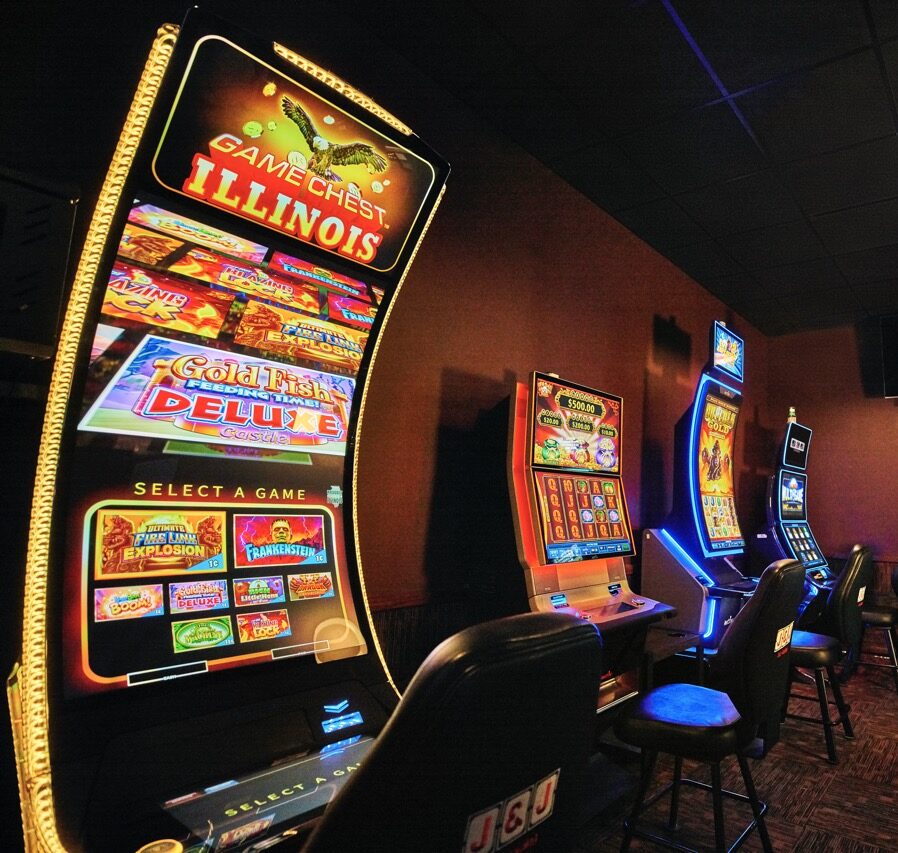
What Are Video Gaming Terminals?
VGTs are regulated electronic gaming machines that offer games such as video slots and video poker at approved establishments outside traditional casinos. In Illinois, a licensed terminal operator installs and services the machines at establishments authorized to offer video gaming.
The available games vary by machine and manufacturer. J&J Gaming works with leading manufacturers to provide Illinois establishments with a broad gaming selection designed for different patron preferences.
| Video Gaming Terminal (VGT) | Casino Slot Machine | Video Lottery Terminal (VLT) | |
| Typical location | Licensed establishments outside casinos | Casinos | Authorized lottery locations |
| Operating model | Licensed terminal operator | Casino operator | Lottery–based system |
| Regulation | State video gaming regulations | Casino gaming regulations | State lottery framework |
VGTs vs. Casino Slot Machines — Key Differences
VGTs and casino slot machines may look similar, but their operating environments differ. VGTs appear at eligible licensed businesses and are installed and serviced through licensed terminal operators. In Illinois, the IGB oversees VGT licensing, compliance, inspections, and machine monitoring.
VGTs vs. Video Lottery Terminals (VLTs)
The terms VGT and VLT sometimes get used interchangeably, but they refer to different regulatory models. VGTs operate through licensed establishments and terminal operators under applicable state gaming rules, while VLTs operate within a state lottery framework.
The exact rules and terminology vary by state, so businesses need to follow the requirements that apply in their jurisdiction.
How Video Gaming Terminals Work
A video gaming session involves more than what patrons see on the floor. The process also includes regulated gaming software, payment and redemption functions, and connections that allow gaming authorities to monitor activity.
In Illinois, VGTs connect to the IGB’s Central Control System. That connection lets the state track gameplay, payouts, and gaming revenue while supporting compliance with state gaming requirements.
The Player Experience — From Insertion to Payout
Patrons begin by inserting cash into a video gaming terminal and selecting an available game. After placing a wager, the machine determines the result according to its approved gaming system.
Illinois has also begun introducing Ticket In, Ticket Out (TITO) functionality. On a TITO-enabled VGT, a patron who cashes out receives a printed ticket that may be inserted into another TITO-enabled machine in the same game room. This feature is being enabled as manufacturers receive IGB approval, so not every Illinois VGT is necessarily TITO-enabled.
The Random Number Generator (RNG) — How Outcomes Are Determined
VGT outcomes rely on random number generator technology rather than a predictable sequence of wins and losses. In Illinois, VGTs use random number generators and pay tables.
That distinction matters because of a common misconception: previous outcomes don’t mean a particular terminal is due for a win. Patrons should treat each gaming session as chance-based entertainment rather than assume a machine has become “hot” or “cold.”
Revenue Reporting and the Central System Connection
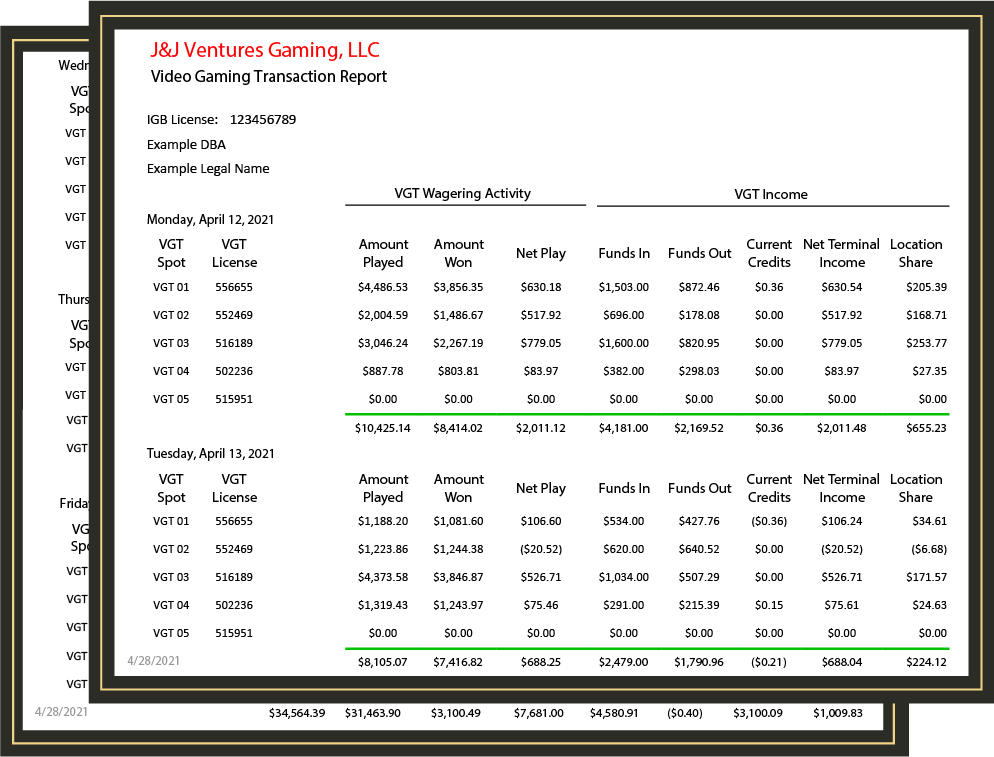
Illinois video gaming terminals connect to a state-regulated Central Control System. This system records gaming activity, payouts, and net gaming revenue, giving the Illinois Gaming Board oversight of activity across licensed locations.
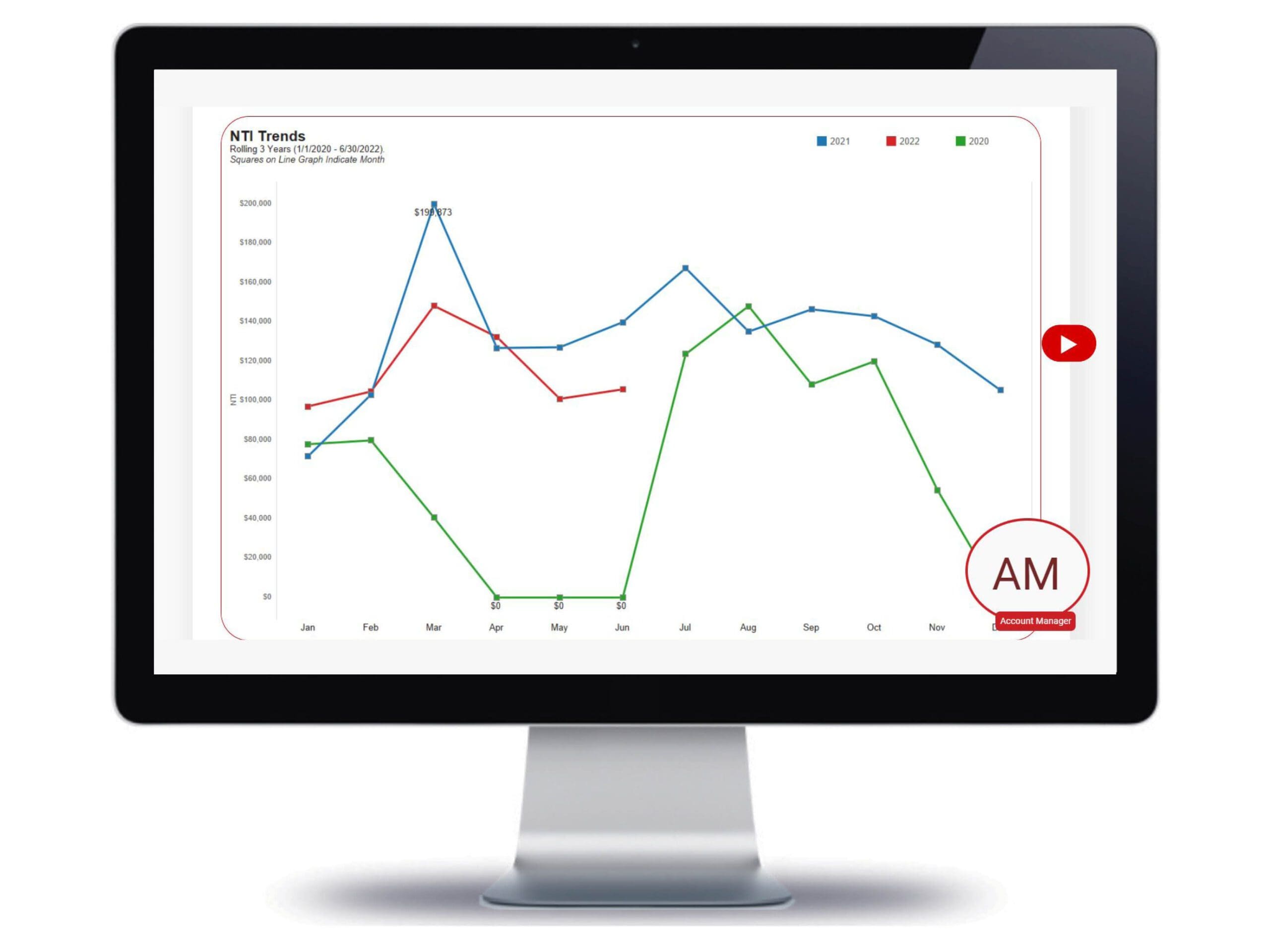
Net Terminal Income (NTI) generally refers to the amount wagered on a terminal minus credits paid to patrons. Illinois law governs how this gaming revenue is taxed and distributed.
Where Video Gaming Terminals Can Legally Operate
Video gaming terminals cannot simply be installed in any business. Illinois limits legal video gaming to qualifying establishments that meet licensing requirements and receive the necessary approvals.
Illinois Venue Requirements
In general, there are three primary types of establishments that may qualify for Illinois video gaming. These include:
- Retail establishments licensed to pour liquor
- Fraternal and veterans establishments
- Truck stops
The establishment and its terminal operator also play different roles. A licensed terminal operator supplies, installs, services, and maintains the VGTs, while the establishment must maintain its own licensing and meet applicable requirements.
Illinois establishments may operate up to six VGTs when permitted by their municipality, while qualifying large truck stops may operate up to 10.
How State Laws Vary
Video gaming laws vary from one state to another. Licensing requirements, eligible establishments, machine limits, regulatory agencies, and operating models depend on the jurisdiction.
This makes local requirements important for both business owners and patrons. For example, Illinois establishments operate under IGB oversight and applicable state and municipal rules. Patrons can search for nearby gaming locations to find licensed establishments.
Maintaining Video Gaming Terminals
Maintaining video gaming terminals requires ongoing attention from the licensed terminal operator and the establishment. Proper service keeps equipment operational while supporting the regulatory requirements that govern legal video gaming.
As a terminal operator, J&J Gaming installs, manages, services, and maintains video gaming equipment. We also provide ongoing support to our partners.
What the Terminal Operator Is Responsible For
Terminal operators manage the gaming equipment placed at their partner establishments. Their responsibilities include installing VGTs and supporting the equipment after installation.
If a terminal needs service, the operator coordinates the necessary work to keep the equipment functioning properly. This ongoing relationship separates terminal operation from simply selling or delivering gaming machines.
What the Venue Is Responsible For
The establishment manages the day-to-day environment surrounding its video gaming area. This includes keeping the gaming area orderly and following the licensing and operational requirements that apply to the business. Establishments also report equipment problems to their terminal operator so service issues receive prompt attention.
Common Maintenance Issues and How They’re Handled
Video gaming terminals contain several components that require regular attention. Common maintenance issues we see include:
- Bill validator jams
- Low TITO printer paper
- Software or connectivity errors
Licensed terminal operators like J&J Gaming provide ongoing service when these issues arise. Technicians maintain and repair terminal hardware, replenish or address printer needs, and troubleshoot connection problems so establishments don’t have to handle technical repairs themselves.
FAQs — Video Gaming Terminals
Are video gaming terminals the same as slot machines?
Not exactly. VGTs may look and play similarly to casino slot machines, but they operate under a different regulatory and business model. In Illinois, licensed terminal operators place and service VGTs at approved establishments outside traditional casinos.
How many video gaming terminals can a bar have in Illinois?
Illinois establishments may operate up to six VGTs when permitted by their municipality. However, qualifying licensed large truck stops may operate up to 10 terminals. Businesses must meet applicable state and local licensing requirements before offering video gaming.
How do video gaming terminals pay out?
The payout process depends on the equipment and features available at the location. Illinois is rolling out Ticket In, Ticket Out (TITO), which lets patrons receive a printed ticket after cashing out from a TITO-enabled VGT. Patrons can then use that ticket in another compatible machine within the same game room.
Who owns and maintains video gaming terminals in a bar or restaurant?
A licensed terminal operator provides and maintains the VGTs placed at a partner establishment. Operators such as J&J Gaming handle installation, equipment service, repairs, and other technical needs, while the establishment manages its licensed premises and day-to-day gaming area.
Are video gaming terminals legal in Illinois?
Yes. Illinois legalized video gaming through the Video Gaming Act, which became law in 2009. The Illinois Gaming Board regulates video gaming in the state, including licensing, terminal operation, and compliance requirements.
Still have questions? Get in touch.
Comments are closed.