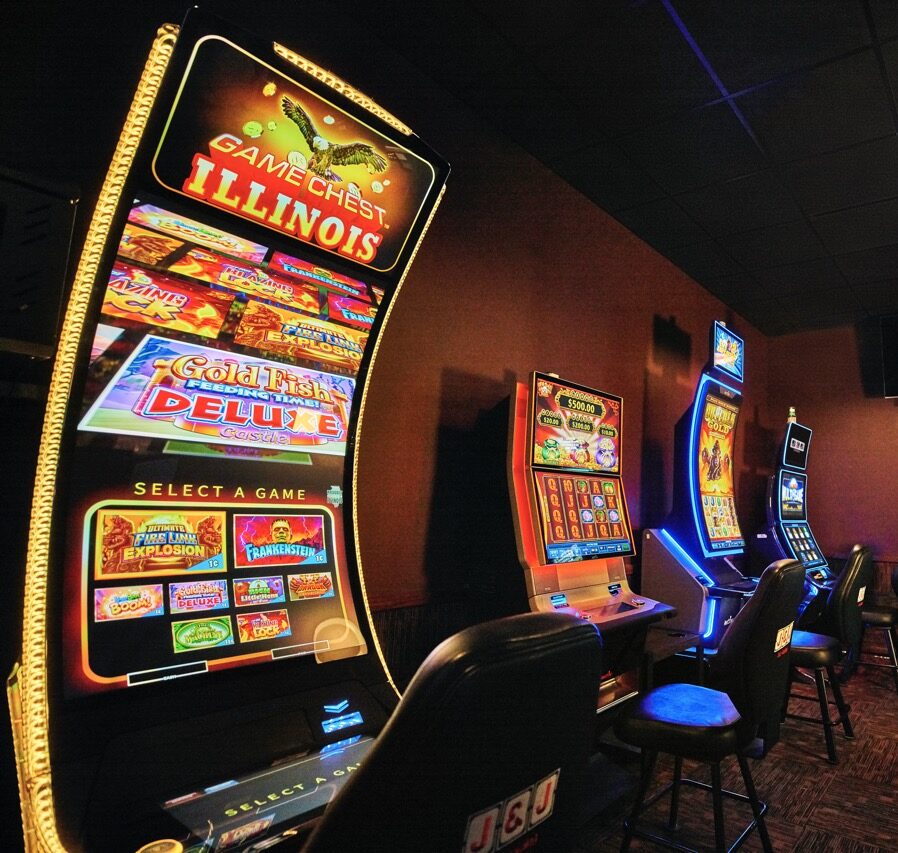
What Is a Terminal Operator?
A video gaming terminal (VGT) operator is a state-licensed company that owns, places, services, and maintains gaming machines at licensed establishments. In Illinois, the operator also handles responsibilities tied to the machines and gaming revenue.
Qualifying businesses can work with an operator to offer VGTs without purchasing and maintaining the terminals themselves.
If you’re considering video gaming for your Illinois bar, restaurant, truck stop, or other qualifying establishment, you may be wondering: “What is a terminal operator?” and “Why do I need one?”
In Illinois, businesses cannot simply purchase VGTs and begin offering video gaming. The machines must be provided and supported by a licensed terminal operator, and the establishment must obtain and maintain the appropriate licenses.
At J&J Gaming, we’ve been working with Illinois establishments since video gaming launched in the state in 2012, so we’ve seen firsthand how much the right terminal operator can shape the experience. Knowing what to expect from that partnership can help you ask better questions from the start and feel more confident about who you’re working with.
Illinois Video Gaming Terminal Operator Specifics
In Illinois, a video gaming terminal operator is a business licensed by the Illinois Gaming Board to own, maintain, and place VGTs at approved establishments. Operators work alongside separately licensed establishments in a statewide market that included 49,591 VGTs across 8,722 locations as of April 2026.
If you want a quick breakdown:
Terminal Operator Ownership: Owns, places, services, and maintains the VGTs.
Establishment Role: Provides the approved location and handles its own licensing requirements.
Terminal Operator vs. Licensed Establishment — What’s the Difference?
The simplest difference is who handles what. The operator handles the VGTs and their responsibilities for gaming revenue and taxes. Your business provides the licensed location and handles the requirements on the establishment side.
Illinois law keeps these roles separate. An owner or manager of a licensed establishment cannot also be licensed as a terminal operator for that establishment.
What Types of Businesses Can Partner With a Terminal Operator?
Eligible Illinois locations can include:
• Licensed retail establishments, such as qualifying bars and restaurants
• Licensed truck stop establishments
• Licensed fraternal establishments
• Licensed veterans establishments
The exact requirements depend on the establishment type, and local rules can affect whether video gaming is permitted.
Thinking about adding VGTs to your business? Start by checking the Illinois gaming license requirements to see whether your location qualifies and what you’ll need to get started.
What Does a Terminal Operator Do for Your Business?
Once your business is approved for video gaming, your terminal operator becomes a regular part of keeping things running. So what do they handle?
• Licensing and Regulatory Compliance
Terminal operators maintain their Illinois Gaming Board license and handle the regulatory requirements tied to their VGTs and gaming revenue.
• Machine Installation, Maintenance, and Repairs
The operator provides the VGTs and takes responsibility for servicing and maintaining them. If something goes wrong, you have a team to call instead of troubleshooting the machine yourself.
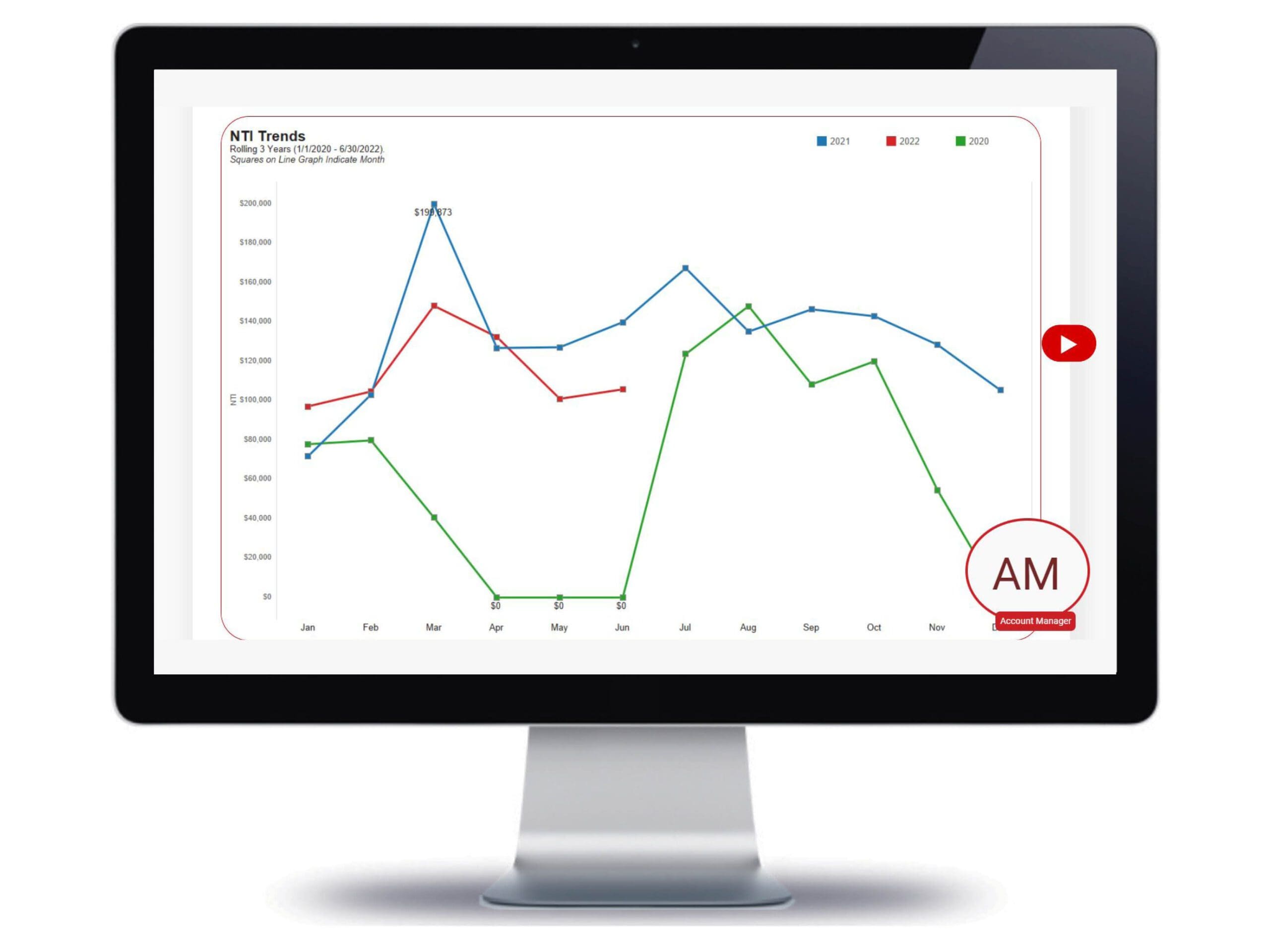
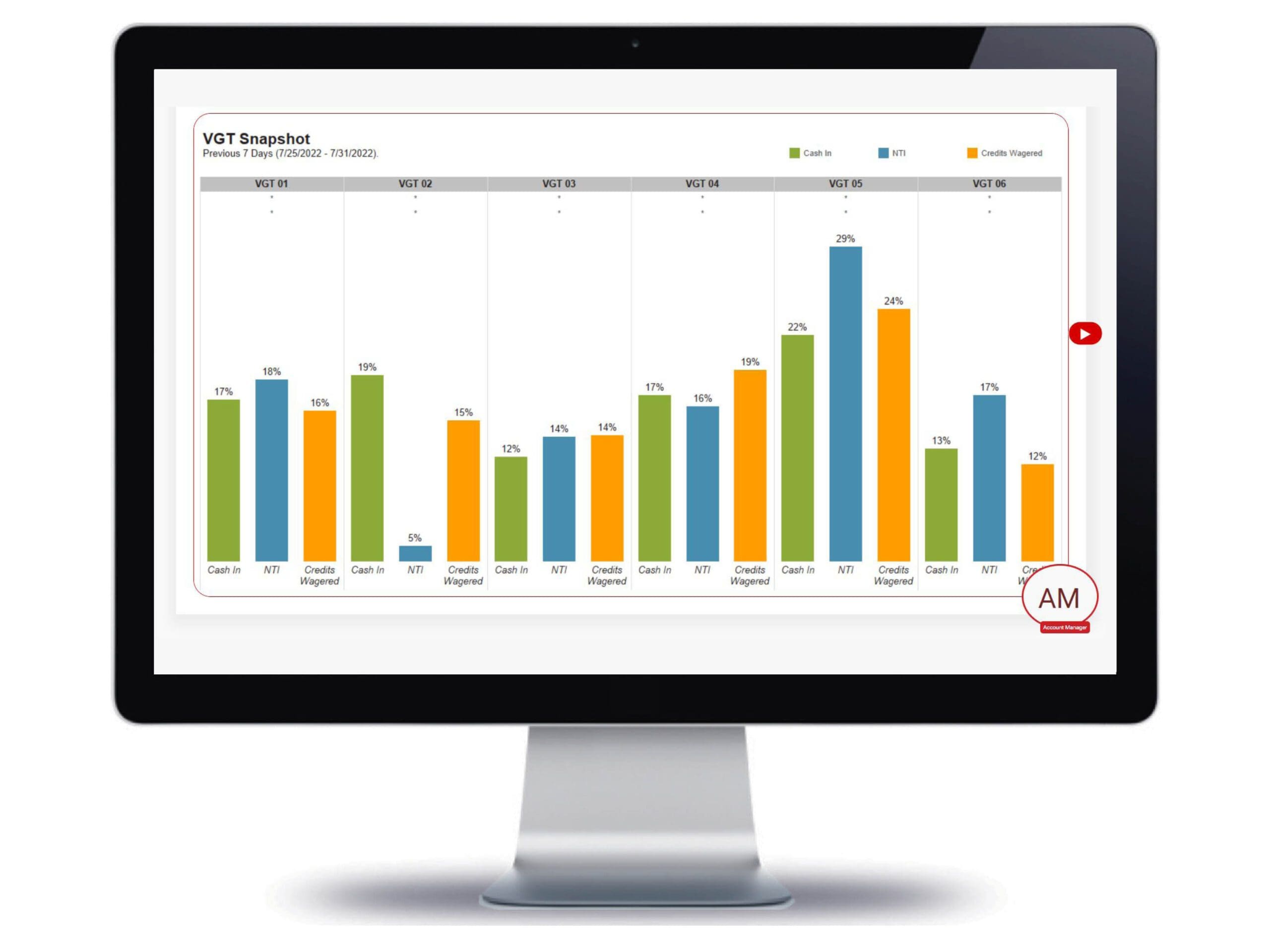
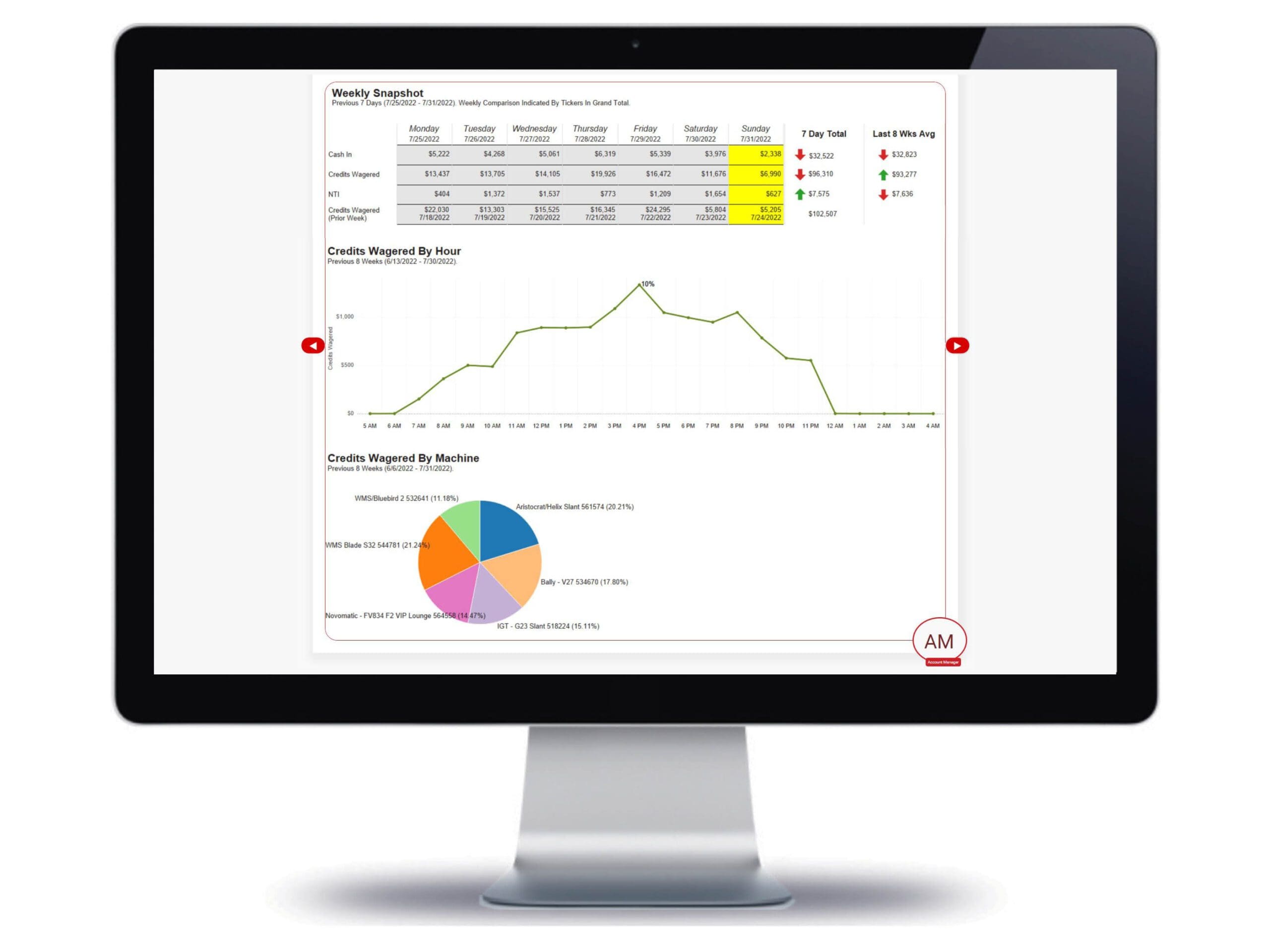
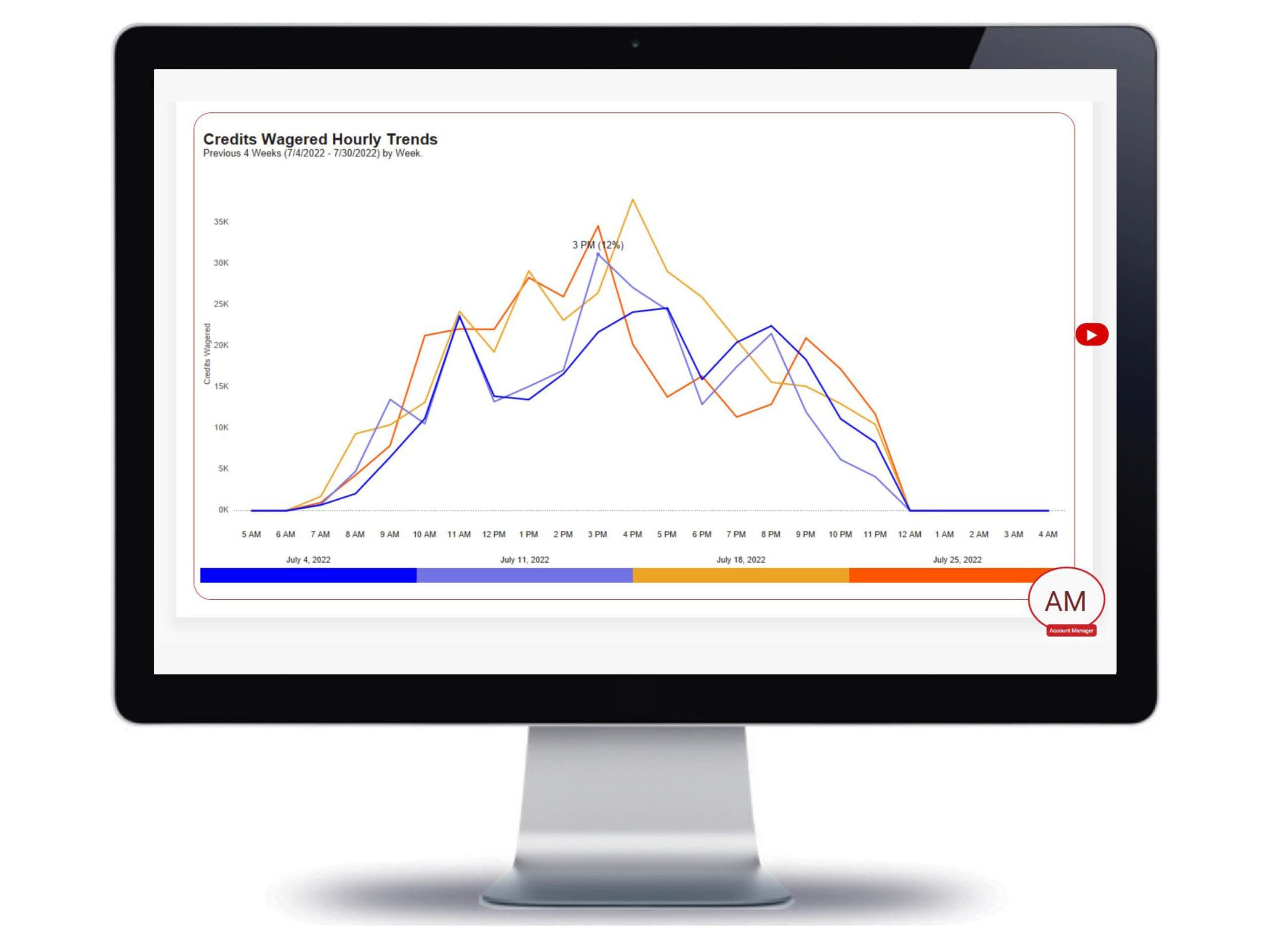
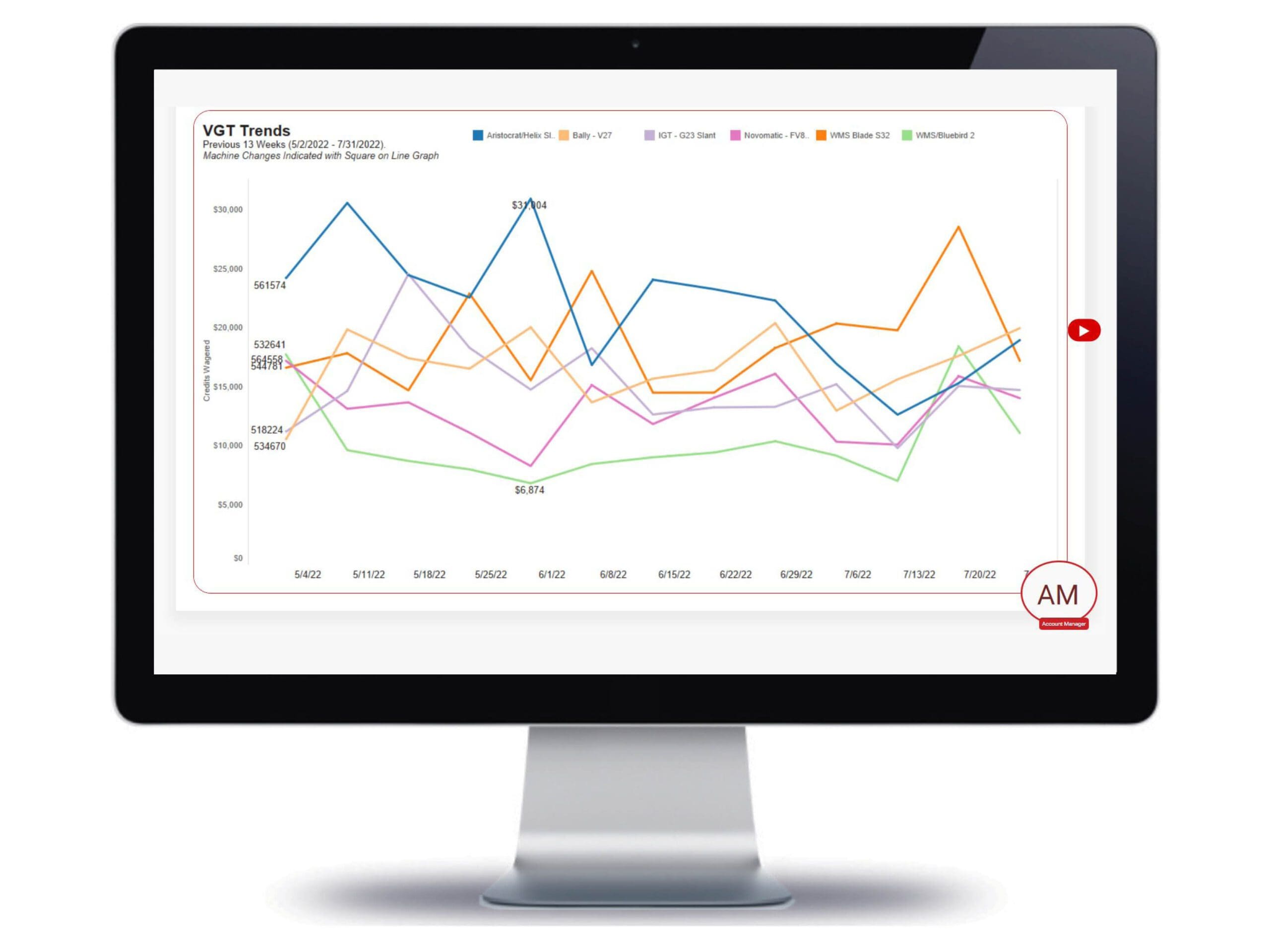
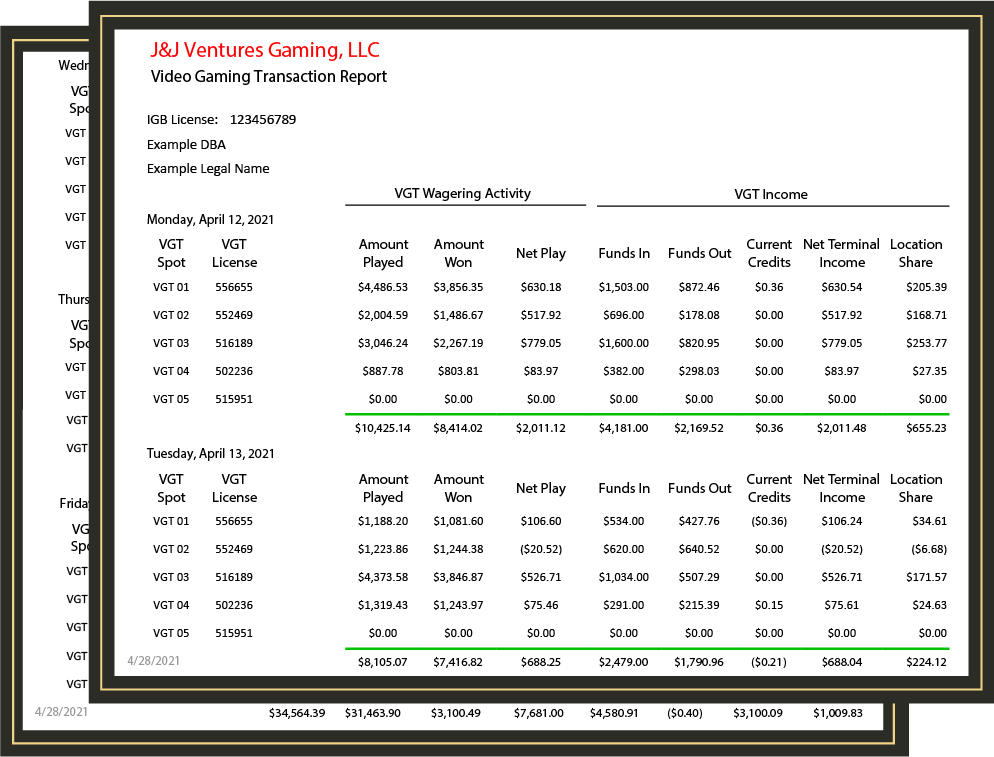
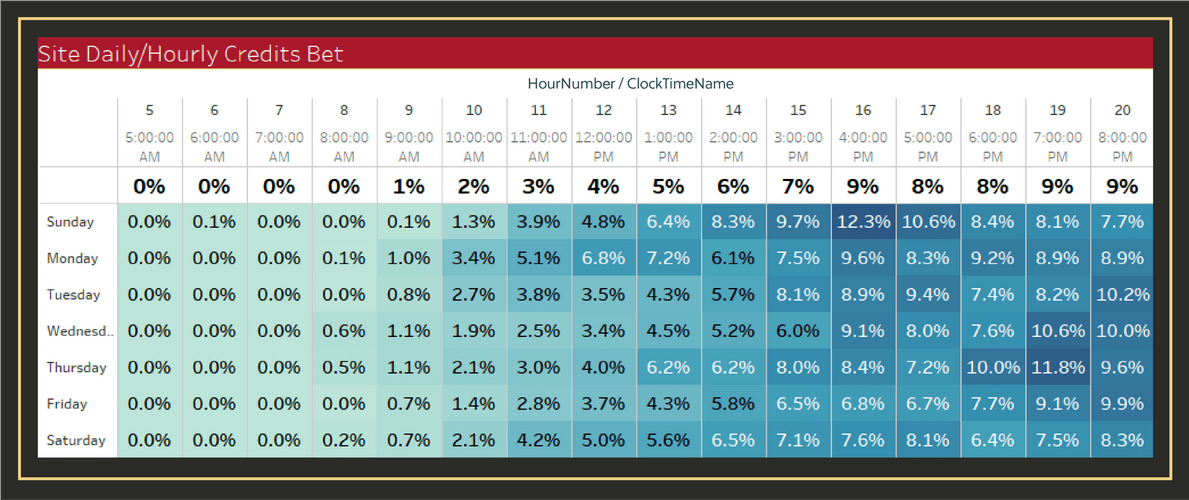
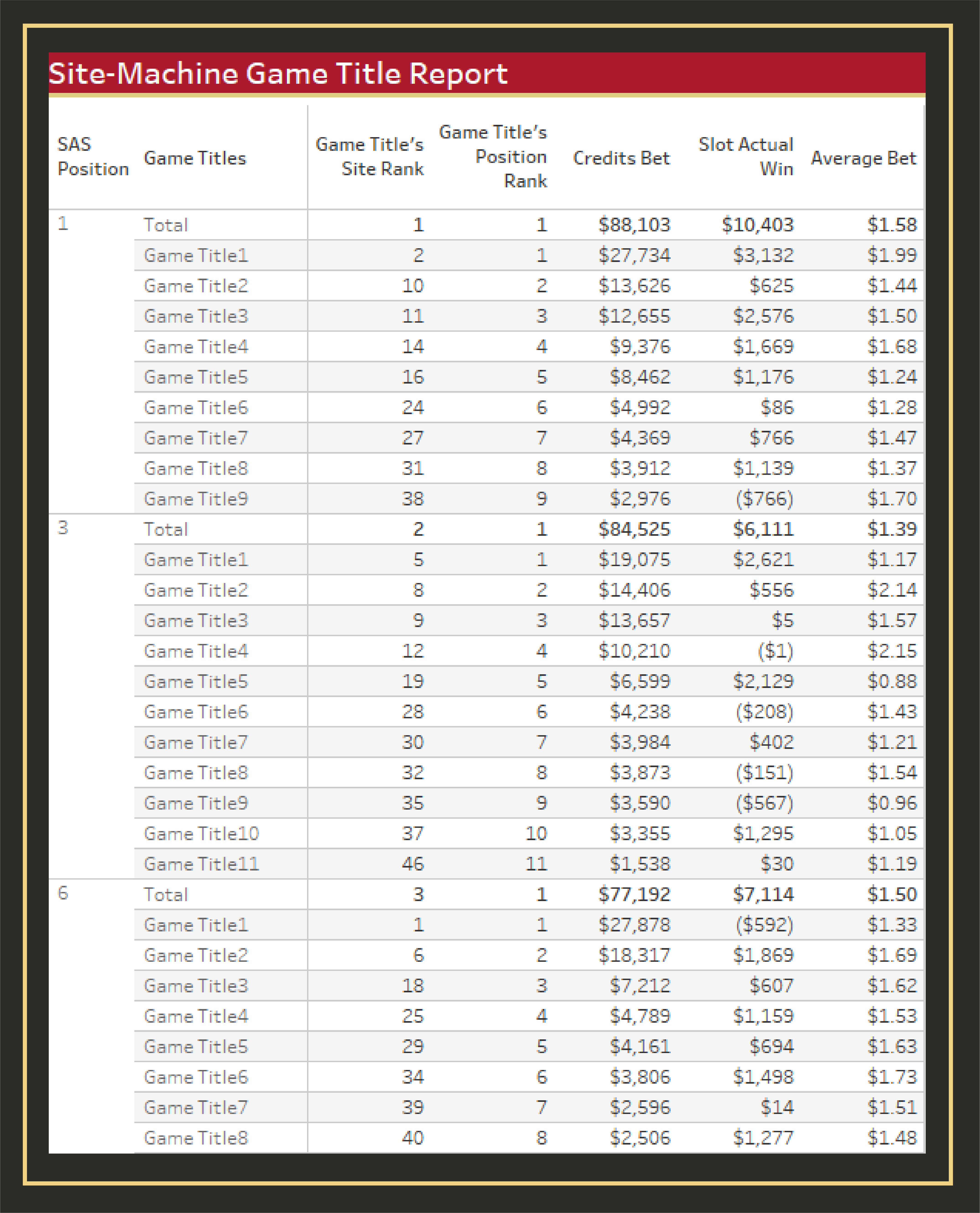
Technology can make that relationship easier to manage, too. With JJ Connect, our partners can check location and VGT performance data from one dashboard, making it easier to keep tabs on how their machines are doing.
• Revenue Collection and Payment to the Establishment
Illinois bases video gaming revenue on Net Terminal Income (NTI), which is the money put into a VGT minus credits paid out to players. Current law applies a 35% tax to NTI, with roughly 30% going to state funds and 5% to local government.
The remaining 65% is divided equally between the terminal operator and the licensed establishment. The operator handles the required tax payments and distributes the establishment’s share, so you receive your portion without calculating and remitting the gaming taxes yourself.
• State tax: 30%
• Local tax: 5%
• Administrative share: 0.92%
• Terminal operator: 32.04%
• Licensed establishment: 32.04%
How to Choose the Right Terminal Operator for Your Business
You could work with your terminal operator for years, so this isn’t a decision to make based on name recognition alone. Before signing, a few things are worth checking out:
Verify Licensing and IGB Standing:
Make sure the operator holds an active Illinois Gaming Board license, which you can check through the Illinois Gaming Board’s public license search. This system makes it easy to verify their status before moving forward.
Evaluate the Revenue Split and Contract Terms:
Illinois law sets the after-tax revenue split between the terminal operator and licensed establishment at 50/50. While that percentage is fixed, you’ll still want to review the agreement length, renewal and termination terms, and each party’s responsibilities before signing.
Assess Technology, Support, and Location Management:
Ask how service requests are handled and what performance information you’ll have access to. You can also look at an operator’s existing Illinois gaming locations to get a better sense of their presence in the state.
Common Misconceptions About Terminal Operators
Video gaming comes with its share of assumptions, especially if you’re new to how Illinois handles VGTs. Here are a few worth clearing up:
“The Terminal Operator Takes Most of the Money”
Illinois law sets the numbers. A 35% tax comes out of Net Terminal Income first, and the remaining 65% is divided equally between the terminal operator and licensed establishment. That means neither party gets to set its own share of the after-tax profits.
“We Can Just Operate the Machines Ourselves”
Not in Illinois. Under the Illinois Video Gaming Act, a licensed terminal operator must own, maintain, and place VGTs. That’s how Illinois gambling laws are set up: your operator handles the machines and its responsibilities, while you focus on the requirements that come with running a licensed establishment.
“All Terminal Operators Offer the Same Deal”
The revenue split is set by law, but that doesn’t make every operator interchangeable. The support you receive and the tools you have once your VGTs are up and running can make for a very different experience.
The right operator can make all the difference for your establishment. At J&J Gaming, we’ve worked alongside Illinois establishments since 2012, offering responsive support and keeping your gaming operation running smoothly.
Ready to explore VGTs for your location? Become a J&J Gaming partner and let’s talk about what you’re looking for from an operator.
FAQs — Video Gaming Terminals
What is a terminal operator in Illinois?
Think of the terminal operator as the company behind the VGTs at a licensed location. They’re licensed by the Illinois Gaming Board and handle the machines, from placement and maintenance to the operator-side responsibilities that come with them.
How does a terminal operator make money?
Terminal operators earn a contractual share of Net Terminal Income (NTI), which is the total wagers minus player payouts. In Illinois, 64% of NTI is split between the operator and venue, 30% goes to the state, and 5% goes to the municipality.
Do I need a terminal operator to have video gaming machines?
Yes. If you want VGTs at your Illinois business, you’ll need to work with a licensed terminal operator. However, you’ll still need the appropriate establishment license on your end, too.
How do I find a licensed terminal operator in Illinois?
A good first stop is the Illinois Gaming Board’s public license search. Once you’ve confirmed an operator is licensed, you can start comparing the things that affect your day-to-day experience, such as consistent support and agreement terms.
How many video gaming terminals can my business have?
Your business type is the key factor here. For most licensed establishments, the limit is six VGTs. If your business is a licensed large truck stop establishment, you can have up to 10.
Still have questions? Get in touch.
Comments are closed.